How to Choose the Right Makeup Brushes Without Losing Your Mind
Natural vs. synthetic bristles, what to look for on the shelf, and the lean starter set that actually makes sense.
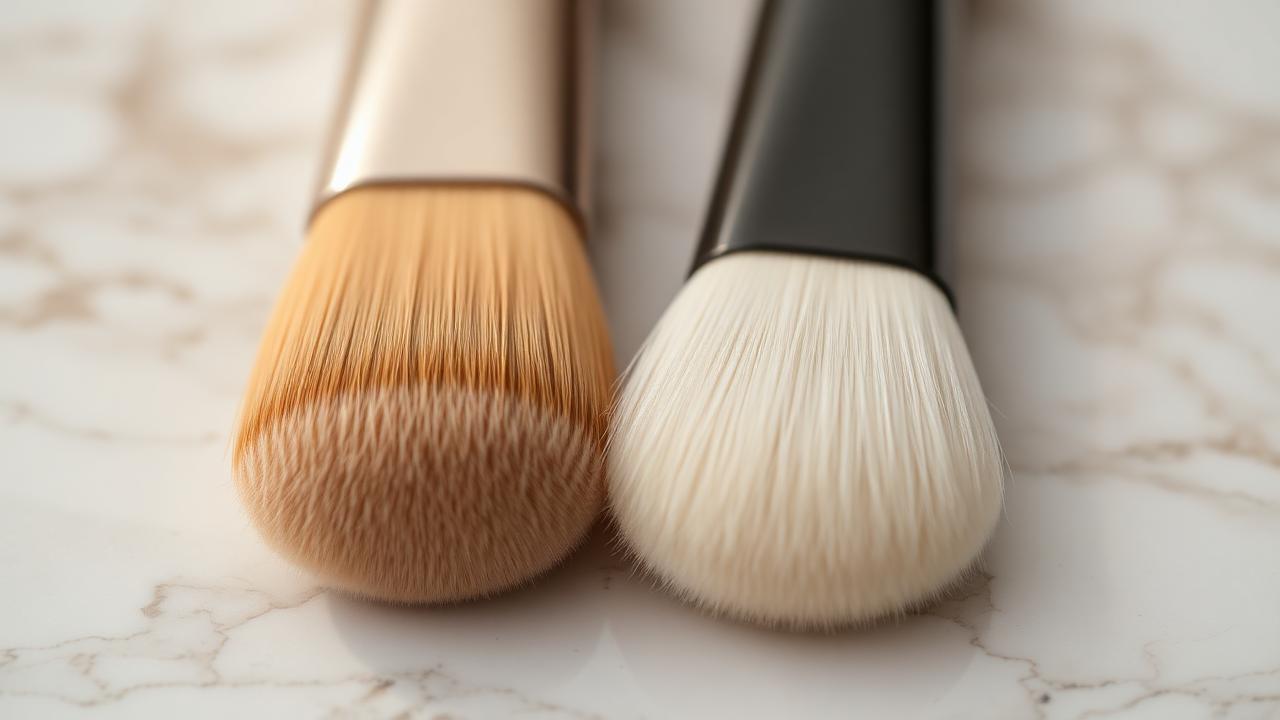
Beauty aisles can be overwhelming. Everything promises "flawless application," "professional results," and "airbrushed perfection," as if the brush plans to do your taxes too. So let's simplify.
Natural vs. Synthetic Bristles
Once upon a time, natural hair brushes were considered the fancy option, especially for powders. They pick up pigment beautifully and diffuse it well. But synthetic fibers have come a long way. These days, many are soft, durable, cruelty-free, and excellent with creams, liquids, and powders alike.
Synthetic bristles are also easier to clean and usually less fussy. If you use cream foundation, gel liner, liquid highlighter, or anything tacky, synthetic is your friend. It won't absorb as much product, which means less waste and fewer weird stains haunting the brush forever.
Natural fibers can still be lovely for powder products, but they require gentler care. If you're building a collection now, synthetic tools are a practical, ethical, and often budget-friendly place to start.
What to Look For
When choosing tools, look for:
- Softness — bristles should feel pleasant, not scratchy.
- Density — dense brushes give more coverage; airy ones diffuse.
- Shape — the shape should match where it goes on the face.
- Handle comfort — if it feels awkward, you won't reach for it.
- Shedding — a few loose bristles at first can happen, but constant shedding is a bad sign.
- Ferrule strength — the metal part should feel secure, not wobbly.
A brush doesn't have to be expensive to be good. Some affordable sets are surprisingly excellent. Some luxury options are, frankly, riding on packaging and vibes. Test texture when you can. Read reviews with a skeptical eye. The best tool is the one that works with your routine, not against it.
The Starter Set That Actually Makes Sense
If you're beginning from scratch, skip the giant roll-up kit with 32 mysterious wands. Start with a lean lineup:
- Base brush — dense, rounded, synthetic.
- Powder brush — large and fluffy.
- Blush brush — medium, tapered or angled.
- Bronzer brush — soft and slightly bigger than blush size.
- Flat eyeshadow brush — for placing color.
- Blending brush — fluffy, not too huge.
- Small detail brush — for lower lash line, inner corner, or spot concealing.
- Angled brush — for brows or liner.
That's enough to create everyday looks and a surprising number of evening ones. Later, you can add specialty tools if you find yourself wishing for them. Buying slowly is underrated — it lets you learn what your face, your products, and your patience actually need.
Need a tailored quote?
23+ years of OEM experience since 2003, MOQ from 500, free 3D mockup within 24 hours.
Talk to our team