Makeup Brush Cleaning and Care: The Chore That Saves Your Skin
A gentle washing routine, smart storage, and when to finally let a beloved brush retire.
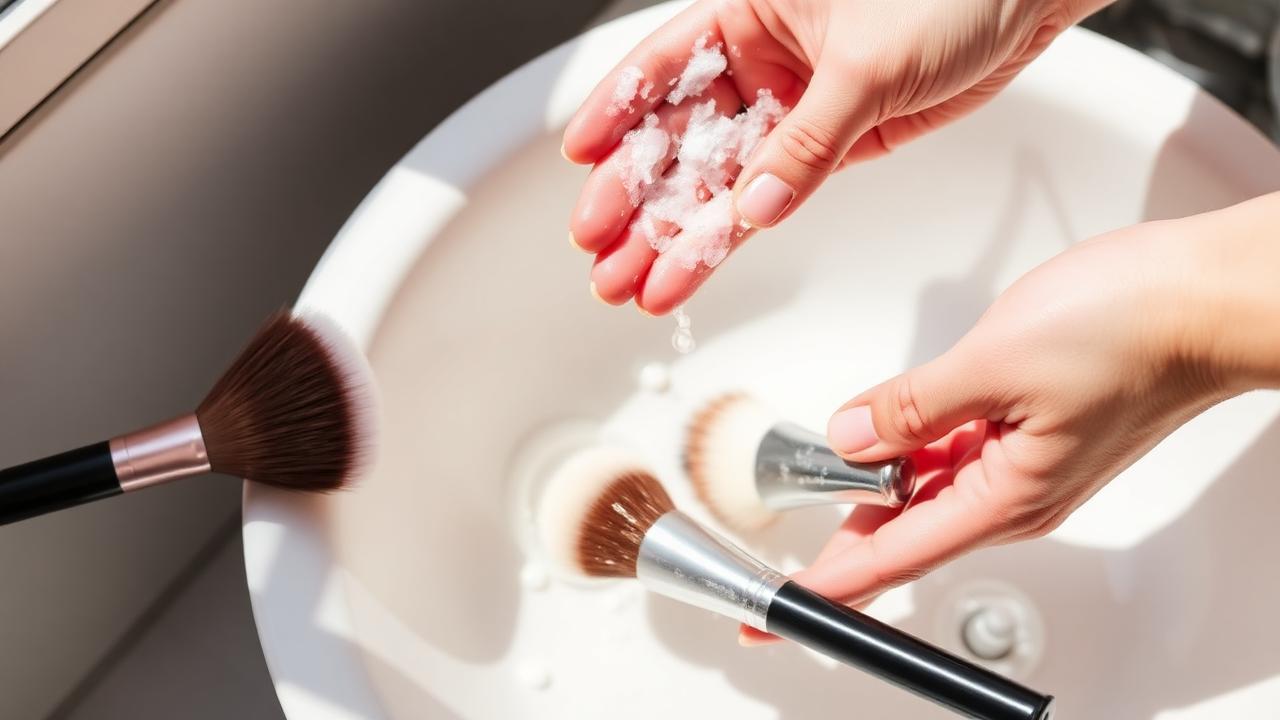
Nobody gets excited about washing tools. Well, almost nobody. Somewhere out there, someone has a perfectly labeled drying rack and a Sunday routine involving eucalyptus soap. Good for them. Truly.
For the rest of us, cleaning can feel like homework. But it matters. Product buildup changes performance, and old oils can irritate skin. Dirty bristles turn beautiful application into patchy chaos. Plus, once foundation dries deep inside a dense brush, it becomes weirdly stubborn — like it signed a lease.
A Simple Washing Routine
Use lukewarm water and a gentle cleanser. Baby shampoo, brush soap, or a mild facial cleanser all work. Wet the bristles only, keeping water away from the ferrule as much as possible. Swirl in cleanser, rinse until the water runs clear, squeeze gently, reshape, and lay flat to dry with the bristles hanging slightly over the edge of a counter.
Don't dry them upright while wet. Water can slide down into the glue and loosen the handle. Learned the hard way, that one stings.
For cream and liquid tools, wash weekly if you use them often. Powder tools can usually go a bit longer. Eye brushes — especially those used with dark colors or near the lash line — benefit from more frequent cleaning.
Travel, Storage, and the Joy of Not Ruining Things
Brushes like airflow. Stuffing them wet into a closed bag is asking for trouble. At home, store them upright in a cup if they're dry, or in a roll case if dust is an issue. While traveling, use a brush guard, case, or pouch with separate compartments. Tossing them loose into a makeup bag leads to bent bristles, stained handles, and that one brush emerging with lip gloss in its hair like it had a rough weekend.
For minimal travel, bring multi-use shapes. A fluffy eyeshadow brush can set concealer. A small powder brush can apply blush and bronzer if you wipe it between products. An angled brush can handle brows and soft liner. Less luggage, fewer decisions, happier morning.
When to Replace a Brush
Good tools can last years if cared for properly. Still, they're not immortal. Replace a brush when:
- The bristles feel rough or scratchy.
- It sheds constantly.
- The ferrule is loose.
- The handle cracks or peels badly.
- It won't clean properly anymore.
- The shape is permanently splayed.
Sometimes a brush just retires emotionally. You'll know. It stops blending nicely, starts making everything harder, and somehow brings bad energy to the counter. Thank it for its service and move on.
Need a tailored quote?
23+ years of OEM experience since 2003, MOQ from 500, free 3D mockup within 24 hours.
Talk to our team